

News at Boydens
 12th June 2026
Thinking of Becoming a Landlord in Essex or Suffolk? Here's What You Need to Know to Build a Successful Property Portfolio
For many people, becoming a landlord is one of the most effective ways to build long-term wealth. A well-chosen investment property can generate a regular monthly income, benefit from capital growth over time, and provide opportunities to expand into a larger portfolio. However, successful property investment is about far more than simply buying a property and finding a tenant.
The most successful landlords approach property investment as a business. They understand their legal responsibilities, carefully manage their finances, and have a clear strategy for growth.
If you're considering becoming a landlord in England, here are the key factors you should consider to maximise your returns and build a sustainable property portfolio.
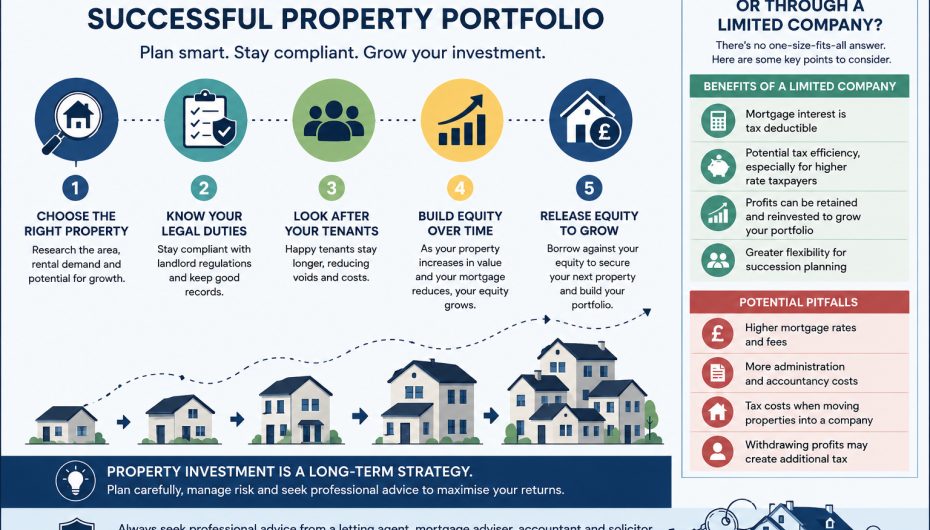
Start with the Right Property
One of the biggest mistakes new landlords make is purchasing a property based solely on what they would personally like to live in. A successful investment property should be selected based on tenant demand, rental yields, future growth potential, and local market conditions.
Before purchasing, research:
- Average rental values in the area
- Tenant demographics
- Local employment opportunities
- Transport links
- Schools and amenities
- Planned regeneration projects
A property in a strong rental location may generate a higher return than a more expensive property in a less desirable rental market.
Working with an experienced local letting agent can provide valuable insight into what tenants are actively seeking and which properties perform best in the local market.
Understand Your Legal Responsibilities
Landlord legislation in England has become increasingly complex over recent years. Compliance should be viewed as a fundamental part of your investment strategy rather than an administrative burden.
Landlords must ensure they comply with obligations relating to:
- Deposit protection
- Gas safety
- Electrical safety
- Energy Performance Certificates (EPCs)
- Right to Rent checks
- Smoke and carbon monoxide alarms
- Property licensing requirements
- Repairs and maintenance obligations
Failure to comply can result in significant financial penalties and may affect your ability to regain possession of your property when required.
A proactive approach to compliance not only protects your investment but also helps maintain positive tenant relationships.
Treat Your Tenants as Valued Customers
The most profitable landlords often have the lowest tenant turnover.
Every time a tenant moves out, landlords face costs including:
- Void periods
- Referencing fees
- Maintenance and decoration
- Marketing costs
Building strong relationships with tenants, responding promptly to maintenance issues, and keeping the property in good condition can encourage longer tenancies and reduce costly void periods.
Happy tenants are more likely to look after the property and remain for several years, creating a more stable and predictable income stream.
How Property Investors Scale Their Portfolios
One of the major attractions of property investment is the ability to use leverage to grow wealth over time.
Many successful landlords start with a single buy-to-let property and gradually build a portfolio through strategic refinancing.
Here's how it typically works:
Imagine you purchase a property for £200,000 using a £50,000 deposit and a £150,000 mortgage.
Over several years:
- The property's value increases to £250,000
- The mortgage balance reduces
- Rental income helps cover costs
At this point, you may be able to refinance the property and borrow against the increased equity.
For example, if a lender is willing to lend up to 75% loan-to-value, you could potentially release some of the additional equity and use it as a deposit for a second investment property.
This process is commonly referred to as "recycling equity" and has enabled many investors to grow from one property to several over time.
However, borrowing against equity increases financial risk. Higher borrowing levels can leave landlords more exposed to rising interest rates, market downturns, and unexpected maintenance costs.
Successful investors ensure they maintain adequate cash reserves and avoid overleveraging their portfolios.
Should You Buy Property Through a Limited Company?
One of the most common questions prospective landlords ask is whether they should purchase property personally or through a limited company.
There is no universal answer, as the best structure depends on individual circumstances, tax position, and long-term objectives.
However, understanding the advantages and disadvantages is essential.
Benefits of Using a Limited Company
Mortgage Interest Relief
One of the main attractions of a limited company structure is that mortgage interest remains a deductible business expense.
Individual landlords have seen significant restrictions on mortgage interest tax relief in recent years, whereas limited companies can generally offset finance costs against rental income before calculating corporation tax.
Potential Tax Efficiency
Limited companies currently pay Corporation Tax on profits rather than Income Tax.
For higher-rate taxpayers, this can sometimes result in lower tax liabilities, particularly where profits are retained within the business for future investment.
Easier Portfolio Growth
Many professional investors use limited companies because profits can be retained within the company and reinvested into future purchases.
This can support faster portfolio expansion without requiring profits to be withdrawn personally.
Succession Planning
A company structure may provide greater flexibility when transferring ownership to family members or planning for future inheritance arrangements.
Professional legal and tax advice is essential in this area.
Potential Pitfalls of Limited Company Ownership
Higher Mortgage Costs
Limited company buy-to-let mortgages are often more expensive than equivalent personal buy-to-let products.
Interest rates and arrangement fees may be higher, reducing overall profitability.
Additional Administration
Running a company involves ongoing obligations including:
- Annual accounts
- Corporation tax returns
- Confirmation statements
- Professional accountancy costs
These administrative requirements create additional expense and complexity.
Capital Gains and Stamp Duty Issues
Transferring personally owned properties into a limited company can trigger both Capital Gains Tax and Stamp Duty Land Tax liabilities.
Many landlords are surprised by the cost of restructuring existing portfolios.
Access to Profits
Whilst retaining profits within a company can be tax efficient, withdrawing money personally may create additional tax liabilities through dividends or salary payments.
This should be considered carefully when planning long-term investment strategies.
Build a Long-Term Investment Strategy
The most successful landlords rarely focus solely on short-term rental income.
Instead, they develop a long-term strategy that considers:
- Rental yield
- Capital growth
- Tax efficiency
- Financing options
- Portfolio expansion
- Retirement planning
Property investment can be an effective wealth-building tool, but success typically comes from patience, careful planning, and professional advice rather than quick wins.
Final Thoughts
Becoming a landlord can offer excellent opportunities to generate income and build long-term wealth, but it should always be approached as a business venture rather than a passive investment.
Choosing the right property, remaining compliant with legislation, maintaining positive tenant relationships, and developing a clear growth strategy are all essential components of success.
Whether you ultimately purchase in your personal name or through a limited company, obtaining professional advice from experienced letting agents, mortgage advisers, accountants, and solicitors can help you avoid costly mistakes and maximise your returns.
With the right planning and a disciplined approach, a single investment property can become the foundation of a profitable and sustainable property portfolio for years to come.
Disclaimer: This article is intended for general information purposes only and does not constitute legal, tax, or financial advice. Landlords should seek advice from a qualified solicitor, accountant, and mortgage adviser before making investment decisions.