

News at Boydens
 12th June 2026
The Most Common Compliance Mistakes Made by Landlords in England – And How to Avoid Them
Residential lettings legislation in England continues to evolve, and landlords face increasing responsibilities to ensure their properties remain legally compliant. Failure to meet these obligations can result in significant financial penalties, possession delays, and even criminal prosecution in serious cases. Understanding the most common compliance mistakes can help landlords protect both their investment and their tenants.
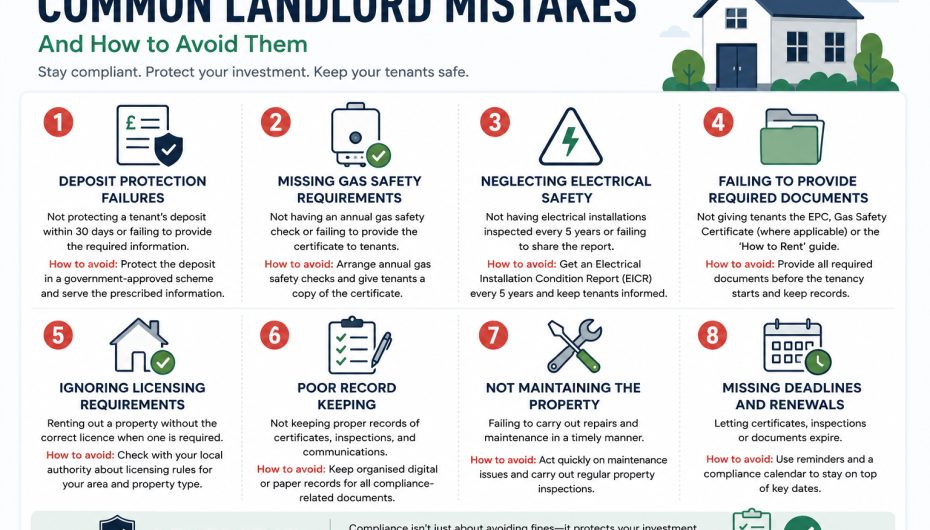
1. Failing to Protect a Tenant's Deposit Correctly
One of the most frequent mistakes landlords make is failing to protect a tenant's deposit within an approved government-backed tenancy deposit scheme within 30 days of receipt. Landlords must also provide the tenant with the prescribed information relating to the scheme.
Failure to comply can result in a financial penalty of up to three times the deposit amount and may prevent a landlord from securing possession.
How to avoid it: Protect all deposits immediately upon receipt and retain evidence that the prescribed information has been served.
2. Missing Gas Safety Requirements
Any property with gas appliances must have a valid Gas Safety Certificate issued annually by a Gas Safe registered engineer. Landlords are legally required to provide a copy to tenants.
A missed gas safety inspection can not only invalidate possession proceedings but also place tenants at risk.
How to avoid it: Schedule annual inspections well in advance and use reminder systems to ensure certificates never expire.
3. Neglecting Electrical Safety Obligations
Since 2020, landlords in England must ensure that electrical installations are inspected and tested at least every five years by a qualified person. An Electrical Installation Condition Report (EICR) must be provided to tenants.
Local authorities can impose fines of up to £30,000 for non-compliance.
How to avoid it: Maintain a compliance calendar and arrange inspections before the current report expires.
4. Failing to Provide Required Documentation
Before a tenancy begins, landlords must provide tenants with several key documents, including:
- An Energy Performance Certificate (EPC)
- The current Gas Safety Certificate (where applicable)
Failure to provide these documents can affect a landlord's ability to regain possession.
How to avoid it: Create a standard tenancy onboarding checklist and keep records of when documents were issued.
5. Ignoring Licensing Requirements
Many landlords are unaware that their property may require licensing. This can include mandatory HMO licensing, additional licensing, or selective licensing schemes operated by local councils.
Operating an unlicensed property where a licence is required can result in substantial fines and rent repayment orders.
How to avoid it: Check with the local authority before letting a property and review licensing requirements regularly.
6. Poor Record Keeping
Even where landlords comply with regulations, inadequate record keeping can create difficulties if disputes arise or enforcement action is threatened.
How to avoid it: Maintain organised records of certificates, inspections, tenancy agreements, deposit documentation, inventories, and correspondence with tenants.
Staying Compliant
Landlord compliance is no longer simply a matter of good practice; it is a legal necessity. With regulations becoming increasingly complex, professional management and regular compliance reviews can help landlords avoid costly mistakes and protect their investment.
Seeking advice from experienced letting professionals and conducting periodic compliance audits will ensure that both landlords and tenants benefit from a safe, legally compliant tenancy.