

News at Boydens
 13th May 2026
Rising Housing Benefit Costs Highlight Ongoing Pressure on Britain’s Rental Market
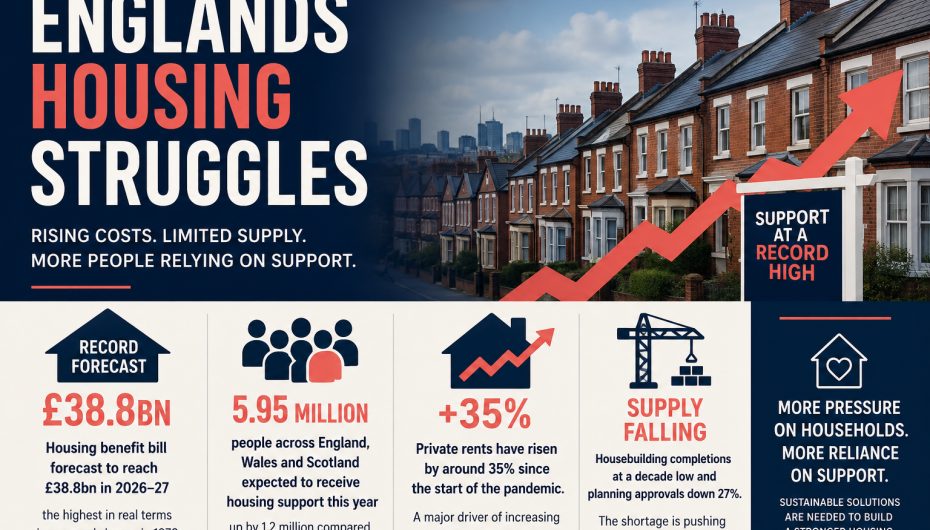
Britain’s housing benefit bill is expected to climb to a record-breaking £38.8 billion in 2026-27, according to new forecasts from the Department for Work and Pensions (DWP). The figure marks a £913 million increase on the previous year and represents the highest level of housing support spending in real terms since records began in 1970.
The growing cost reflects the continued strain facing the UK housing market, with more households relying on support through housing benefit and the housing element of Universal Credit. Official figures suggest that around 5.95 million people across England, Wales and Scotland will receive housing support this year, an increase of 1.2 million people compared with 2019-20.
Rising Rents Continue to Drive Demand for Support
A major factor behind the increase is the continued rise in rental costs across the country. According to the Office for National Statistics, private rents have increased by around 35% since the start of the pandemic, placing additional financial pressure on tenants and families.
At the same time, the supply of new homes has struggled to keep pace with demand. Housebuilding completions fell to a decade low last year, while planning approvals dropped by 27%, returning to levels last seen in the early 2010s.
This combination of limited housing supply and higher rents is contributing to greater reliance on government support, particularly within the private rented sector.
Long-Term Challenges for the Housing Market
Labour has previously outlined plans to deliver 1.5 million new homes during the current parliament, with a focus on increasing affordable and social housing. However, construction activity has yet to recover at the pace many in the industry had hoped for.
Housing experts warn that without a sustained increase in supply, affordability pressures are likely to remain for both renters and buyers.
Lord Best, co-chair of the All-Party Parliamentary Group on Housing and former chair of the Affordable Housing Commission, said the current imbalance in the market is creating long-term challenges for future generations.
He highlighted concerns that more people are remaining in rented accommodation for longer, reducing opportunities for home ownership and increasing the likelihood of people needing support later in life.
Private Rental Sector Continues to Play Key Role
More than a third of Britain’s housing benefit spending currently goes to landlords within the private rented sector, underlining the important role private landlords continue to play in meeting housing demand across the country.
With demand for rental homes remaining high and supply still limited in many areas, the market continues to face significant pressure heading into the second half of the decade.
The DWP forecasts that the housing benefit bill could rise further still, potentially reaching £40 billion by 2030-31.
What This Means for Buyers, Landlords and Renters
For landlords, the figures reinforce the importance of maintaining quality rental housing in a market where demand remains consistently strong. For tenants, affordability continues to be a key concern, particularly in areas where rental growth has outpaced wage increases.
Meanwhile, buyers continue to struggle with a challenging market shaped by limited supply, higher borrowing costs and ongoing economic uncertainty.
At Boydens, we continue to monitor developments across the housing market and support buyers, sellers, landlords and tenants with honest local advice across Essex and Suffolk. Whether you are considering your next move, investing in property, or looking for guidance on the rental market, our experienced teams are here to help.