

News at Boydens
 24th April 2026
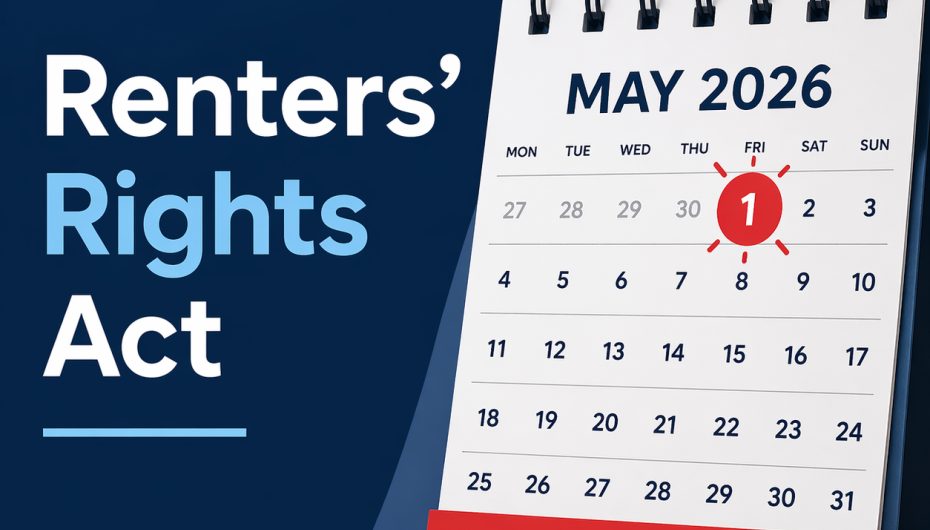
Renters’ Rights Act: What It Means for Landlords, Tenants and the Future of Lettings
As the Renters’ Rights Act (RRA) edges closer to implementation, new data suggests the reality may be more complex than anticipated.
A recent survey of over 2,600 landlords, agents and tenants, paints a picture of a market at a crossroads. While the intention behind the legislation is to improve renting for tenants, the response from landlords and agents highlights growing uncertainty, and in some cases, concern.
A Market Under Pressure
According to the findings, four in five landlords (82%) are worried about the impact of the Renters’ Rights Act, with nearly half (44%) describing themselves as very concerned.
Perhaps more tellingly, three-quarters (75%) say increasing regulation has made them less likely to grow their portfolios, and almost half (49%) are considering selling or reducing their investments within the next two years.
For many landlords, it’s not just one issue, it’s the cumulative weight of change. In fact, 44% identified regulatory pressure as the single biggest barrier to growth, far outweighing concerns around taxation (14%) or wider economic uncertainty (12%).
This signals a potential tightening of supply at a time when demand for rental homes remains high, a dynamic that could have long-term implications for tenants and the wider housing market.
Tenants Still Seeking Clarity
While the legislation is designed to strengthen tenant rights, the data suggests there’s still work to be done in helping renters fully understand what’s changing.
Only 18% of tenants say they feel fully confident in their new rights, while 38% believe better information would improve their renting experience.
Clear communication will be key. Without it, even well-intentioned reforms risk creating confusion rather than confidence.
Agents: Confident, But Not Fully Prepared?
Letting agents are often the bridge between landlords and tenants, and their readiness will play a crucial role in how smoothly the transition unfolds.
Encouragingly, 89% of agents say they feel prepared for the upcoming changes. However, dig a little deeper and a more nuanced picture emerges.
With the abolition of Section 21 on the horizon, only 61% feel ready to manage the new eviction processes, one of the most significant operational shifts within the legislation.
There are also broader concerns about the future. In a recent industry forum, one in three agents (33%) said they believe the RRA could be bad for business, and 18% admitted they don’t expect to remain in lettings within five years.
What This Means Locally
At Boydens, we’re seeing these conversations play out across Essex and Suffolk every day. Landlords are asking important questions about viability, tenants are seeking reassurance, and the role of the agent has never been more vital.
Periods of change often bring uncertainty, but they also highlight the importance of experience, clarity and trusted advice.
Navigating the Change Together
For landlords, this means reviewing portfolios, understanding obligations, and making informed decisions about the future.
For tenants, it’s about knowing your rights, and having the confidence to exercise them.
If you’re a landlord or tenant wondering what these changes mean for you, our local experts are here to help.
With decades of experience across Essex and Suffolk, Boydens is perfectly placed to guide you through the evolving lettings landscape, ensuring you stay informed, protected, and one step ahead.
📞 Get in touch with your nearest Boydens office today and let’s talk about your next move.